Core Web Vitals und Google-Rankings 2026: Was wirklich zählt
4. Juni 2026
Einleitung: Page Experience bleibt ein Wettbewerbshebel
Jedes Jahr fragen Marketer, ob Core Web Vitals noch Rankings beeinflussen. 2026 lautet die Antwort: ja — nicht als Wunderwaffe, aber als Qualitätssignal, das schnelle Sites von frustrierenden trennt, besonders auf langsameren Verbindungen in Moldau, Rumänien und ländlichen EU-Regionen. LCP, INP und CLS zu verstehen ist für ernsthaftes SEO unverzichtbar.
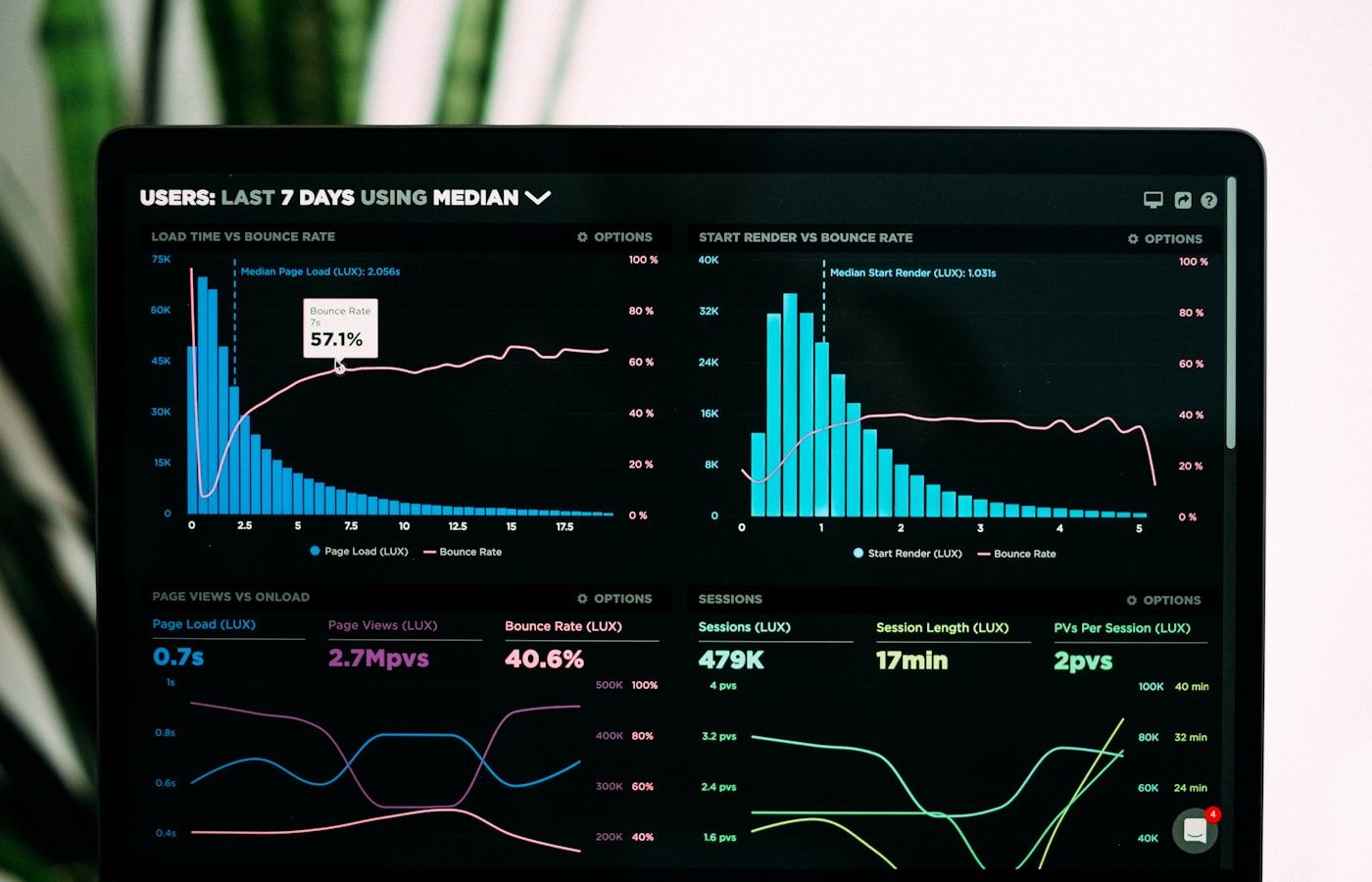
Google bewertet echte Nutzerdaten über CrUX und Lab-Tools wie Lighthouse. Sites, die Schwellen verfehlen, verlieren gegen Wettbewerber mit ähnlichem Content aber besserer Performance. Core Web Vitals sind SEO-Priorität und UX-Benchmark zugleich — dieselben Fixes senken Absprünge auf mobilen Landingpages.
Praktische Umsetzung in Moldau und der EU bedeutet oft enge Zusammenarbeit zwischen Design, Entwicklung und Marketing. Legen Sie früh fest, welche Metriken Erfolg definieren — organische Sitzungen, Conversion Rate oder Time-to-Publish — und messen Sie sie nach jedem Release. So wird aus einer technischen Entscheidung ein nachweisbarer Business-Hebel, den Stakeholder verstehen und budgetieren können.
LCP: Das größte Element schnell laden
Largest Contentful Paint misst, wann der Hauptinhalt sichtbar wird — oft Hero-Bild oder Headline. Gut ist unter 2,5 Sekunden. Typische Ursachen: unoptimierte Bilder, render-blockierendes CSS, langsames Hosting, verzögerte Fonts. LCP-Fixes bringen oft die schnellsten SEO- und Conversion-Gewinne.
Praktisch: AVIF/WebP mit srcset, LCP-Bild preloaden, CDN nahe Osteuropa, weniger JS above-the-fold. Custom Next.js mit Static Generation schlägt oft generische WordPress-Themes, weil der kritische Pfad kontrolliert wird.
INP: Reaktionsfähigkeit statt FID
Interaction to Next Paint ersetzte First Input Delay und misst Latenz bei allen Interaktionen. Gut ist unter 200 ms. Schwere JS-Bundles, Long Tasks und Drittanbieter-Skripte aus Analytics und Chat sind häufige Ursachen. EU-SaaS-Sites scheitern oft zuerst an INP.
Code-Splitting, defer für nicht-kritische Skripte, schlanke UI-Komponenten und Performance-Budgets in CI halten Regressionen fern. SSR allein reicht nicht, wenn Hydration Interaktionen blockiert.
CLS: Stabilität schafft Vertrauen
Cumulative Layout Shift misst visuelle Stabilität. Ads, Embeds und Fonts ohne reservierten Platz verschieben Inhalte — Ziel unter 0,1. Platz für dynamische Elemente reservieren, Fonts subsetten, keine DOM-Injection ohne Layout-Platzhalter.
Viele erfolgreiche Projekte in der Region kombinieren bewährte Muster mit maßgeschneiderter Entwicklung dort, wo Wettbewerbsvorteil entsteht. Vermeiden Sie Copy-Paste-Architekturen ohne Anpassung an Zielgruppe, Recht und Zahlungsrealität. Ein erfahrener Partner dokumentiert Entscheidungen und übergibt Wissen, damit Ihr Team langfristig handlungsfähig bleibt.
Technische SEO-Grundlagen — saubere Canonicals, XML-Sitemaps, strukturierte Daten und Monitoring in Search Console — gehören unabhängig vom Stack zum Lieferumfang. Performance und UX sind 2026 keine Nice-to-haves, sondern Voraussetzung für organisches Wachstum in Moldau und der EU. Dokumentieren Sie Verantwortlichkeiten zwischen Agentur und internem Team nach dem Launch, damit Inhalte und Code nicht auseinanderlaufen.
- Felddaten in Search Console und CrUX messen, nicht nur Lab-Scores.
- LCP zuerst auf Landingpages mit großem Hero-Medium fixen.
- Drittanbieter-Skripte vierteljährlich prüfen — Chat und A/B-Tools erhöhen INP.
- Breite und Höhe für Bilder setzen, um Layout-Shift auf Mobil zu vermeiden.
- CDN mit PoPs für Moldau und Nachbarländer mit niedriger Latenz nutzen.
- Vitals nach jedem Deploy tracken — Performance-Regressionen sind versteckte Ranking-Verluste.
Vitals mit Rankings und Umsatz verbinden
Core Web Vitals ersetzen nicht Relevanz und Autorität — sie wirken als Tiebreaker bei gleicher Intent-Abdeckung. Schnellere Sites konvertieren besser und unterstützen günstigeres CPC über bessere Landingpage-Qualität. Vitals als Dauerprogramm behandeln, nicht als einmaliges Audit.
Für Agenturen in Moldau, die EU-Kunden bedienen, lohnt ein Performance-Budget pro Template: maximale JS-Kilobytes, Bildbreiten und Font-Varianten dokumentieren. Lab-Tests in Lighthouse reichen nicht — CrUX-Felddaten zeigen, wie Nutzer auf realen Geräten in Bukarest oder Chișinău erleben. Kombinieren Sie CDN-Caching mit Bildkompression und vermeiden Sie Hero-Videos als LCP-Element auf mobilen Landingpages.
Fazit: Messen, fixen, erhalten
2026 bleiben Core Web Vitals die Brücke zwischen technischem SEO und UX. KMU brauchen keine Enterprise-Infrastruktur — disziplinierte Assets, schlankes JS und geografisch passendes Hosting reichen. Ob WordPress oder Custom: Vitals-Monitoring in den Release-Prozess einbauen. Wer in Moldau und Europa organisch gewinnen will, respektiert Crawler und Nutzer am Handy gleichermaßen.